
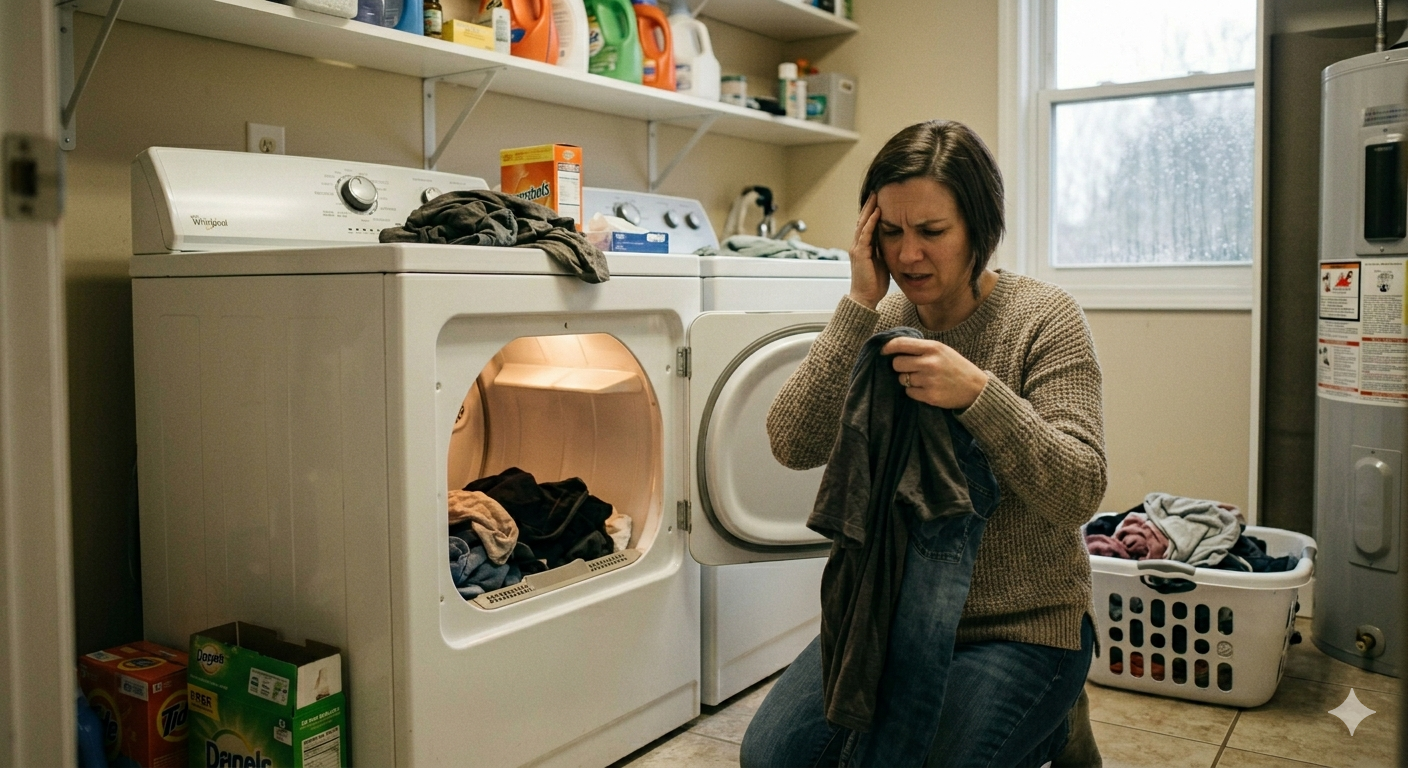
There’s nothing more frustrating than running a full drying cycle only to find your clothes still damp at the end. Whether you’re managing a busy household or running a business that depends on laundry, a poorly performing dryer can waste time, energy, and money.
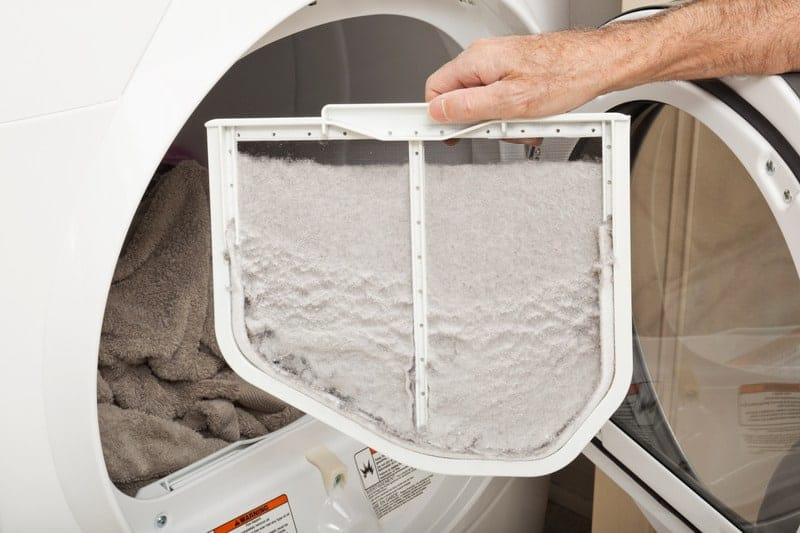
The good news? This is a common issue, and in many cases, it can be fixed quickly either with simple troubleshooting or with help from a professional dryer repair service. In fact, proper dryer maintenance, like cleaning the lint filter and ensuring good airflow, is essential for both performance and safety. According to ENERGY STAR, cleaning the lint filter after every load helps improve efficiency and prevent issues like damp clothes.
In this guide, we’ll walk you through the most common reasons your dryer isn’t doing its job properly and what you can do about it.
1. Clogged Dryer Vent (The #1 Cause of Damp Clothes)
If your clothes are still damp after a full cycle, the most likely culprit is a clogged dryer vent. Over time, lint and debris build up in the vent system, restricting airflow and preventing moisture from escaping.
When airflow is blocked, your dryer can’t release heat effectively, leaving clothes partially wet.
Signs of a clogged vent
- Clothes take longer than usual to dry
- The dryer feels hot to the touch
- Burning smell during operation
- Excess lint behind the machine
What you can do
Clean your lint trap after every load and inspect the vent hose regularly. For deeper cleaning, consider professional maintenance.
2. Overloading the Dryer
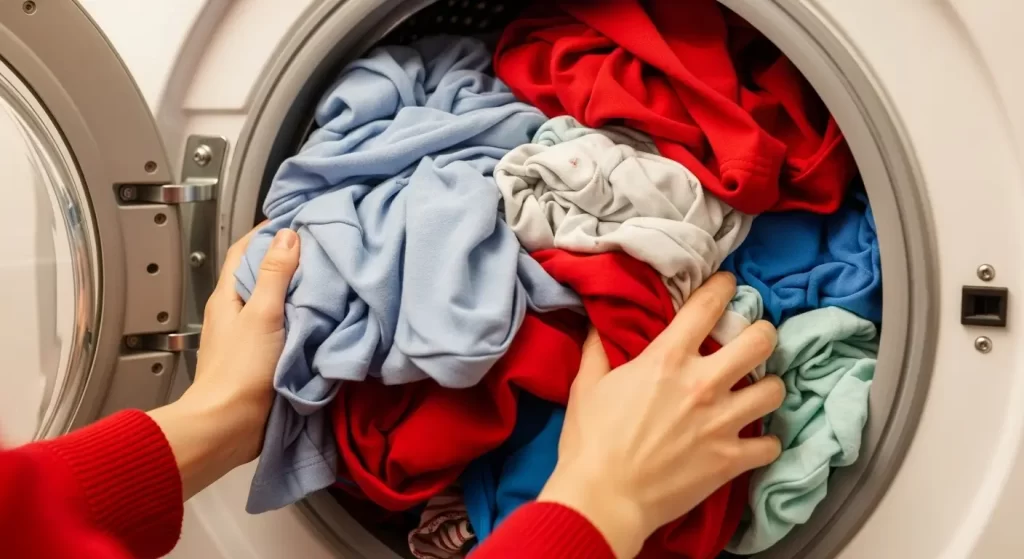
It’s tempting to throw in a large load to save time, but overloading your dryer can actually slow things down.
When the drum is too full, hot air can’t circulate properly. This leads to uneven drying, where some clothes come out dry while others remain damp.
How to fix it
- Dry smaller loads
- Separate heavy fabrics (like towels) from lightweight items
- Shake out clothes before loading
Pro tip: Proper load size improves both drying efficiency and appliance lifespan.
3. Faulty Heating Element
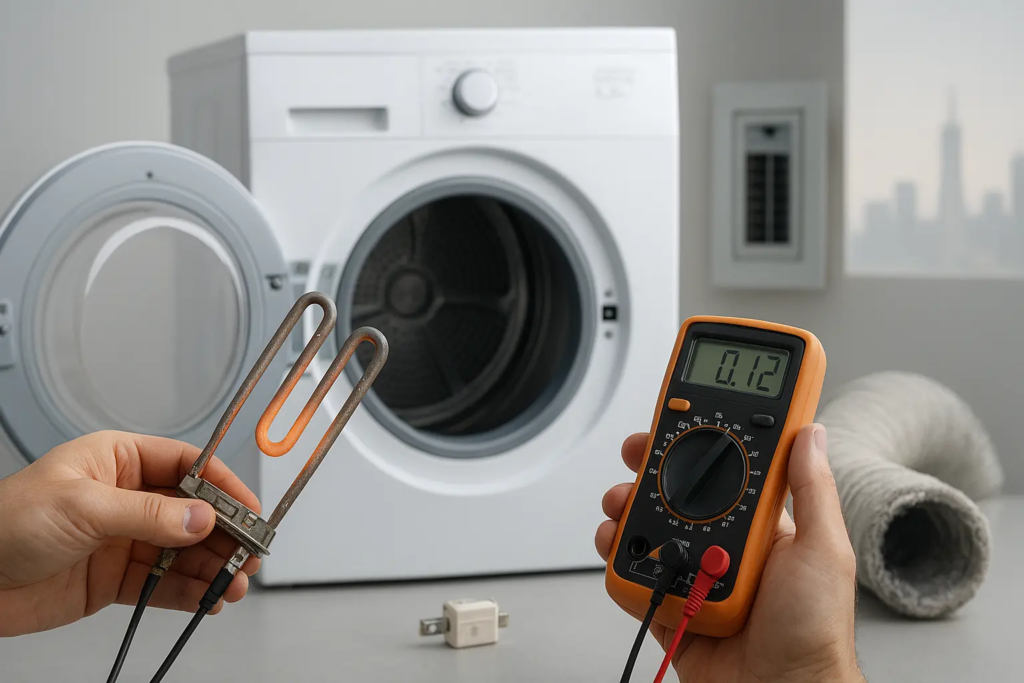
If your dryer runs but doesn’t produce enough heat, a faulty heating element could be the issue. This is especially common in electric dryers.
Signs of heating problems
- Dryer runs, but clothes stay cold or damp
- No heat during cycle
- Longer drying times
Solution
Unfortunately, this isn’t a DIY fix for most people. A professional technician can test and replace the heating element safely.
4. Moisture Sensor Malfunction
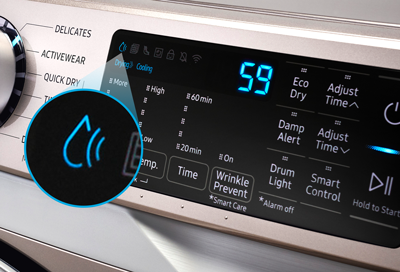
Modern dryers use moisture sensors to detect when clothes are dry and automatically stop the cycle.
If this sensor isn’t working properly, your dryer may stop too early, leaving clothes damp.
Common causes
- Sensor coated with residue from fabric softener
- Electrical issues
- Wear and tear
Quick fix
Wipe the sensor (usually located inside the drum) with a soft cloth and mild soap. If the problem persists, it may require professional repair.
5. Blocked or Dirty Lint Filter
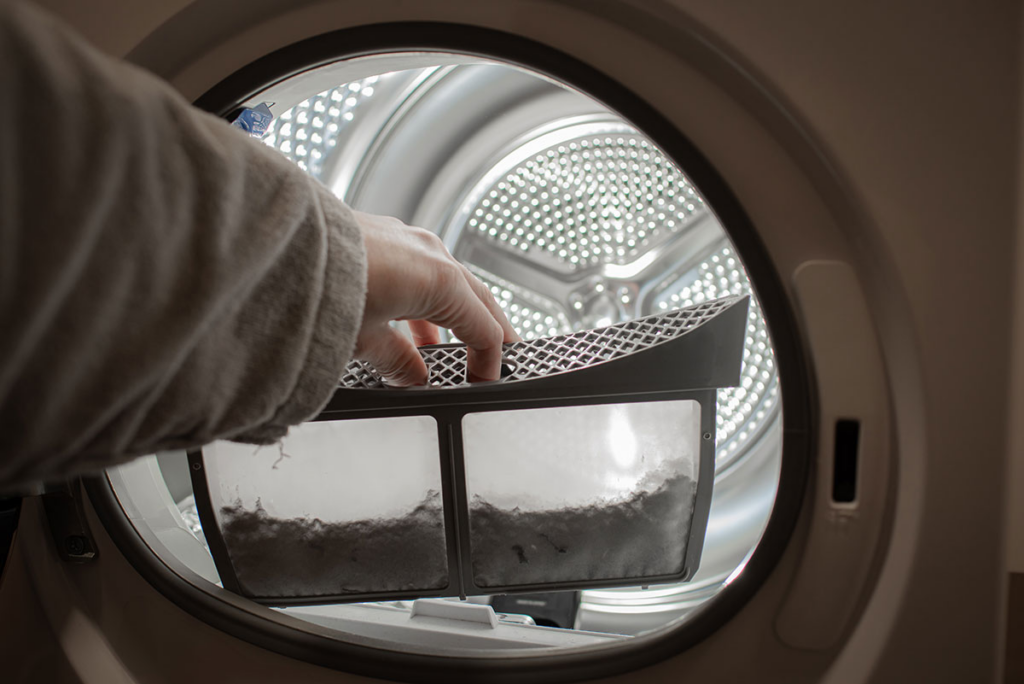
This may seem obvious, but it’s often overlooked. A dirty lint filter reduces airflow, which directly affects drying performance.
Best practices
- Clean the lint screen after every load
- Wash the filter occasionally to remove residue buildup
6. Dryer Vent Hose Issues
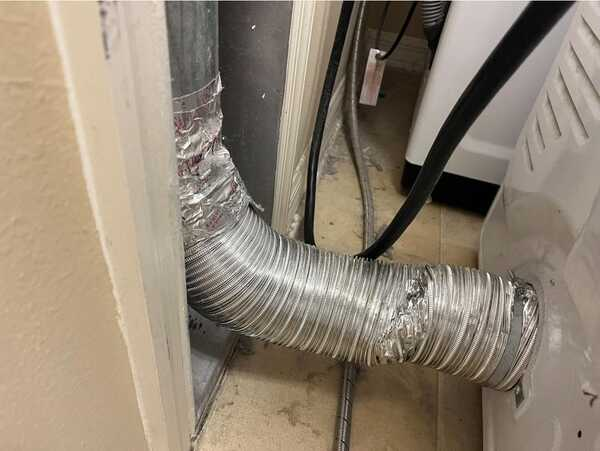
Even if your vent is clean, the hose connecting your dryer to the vent system can become kinked or crushed, blocking airflow.
What to check
- Ensure the hose is not bent or compressed
- Look for lint buildup inside the hose
- Replace damaged hoses
A smooth, unobstructed airflow path is essential for proper drying.
7. Worn-Out Drum Seals or Belts
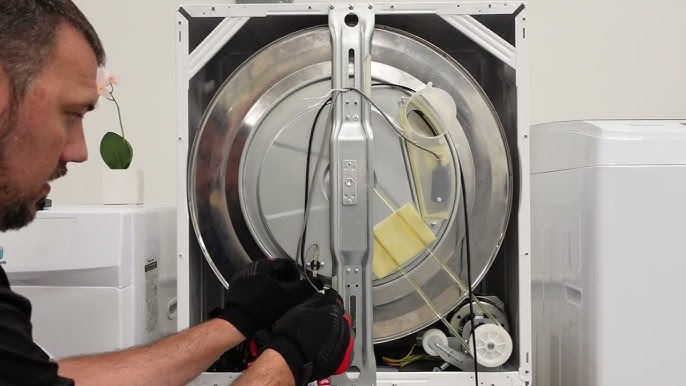
Over time, internal components like drum seals and belts can wear out. This affects how efficiently your dryer tumbles clothes and distributes heat.
Signs to watch for
- Clothes come out unevenly dried
- Unusual noises
- Dryer stops mid-cycle
These issues typically require professional repair.
When to Call a Professional
While some issues can be fixed with basic maintenance, others require expert attention.
Call a technician if:
- Your dryer has no heat
- Problems persist after cleaning vents and filters
- You hear unusual noises
- The dryer shuts off unexpectedly
Attempting complex repairs without proper tools or experience can lead to further damage or safety risks.
Preventing Future Dryer Problems
Prevention is always better than repair. Keeping your dryer in good condition can save you time and money in the long run.
Maintenance checklist
- Clean the lint filter after every load
- Inspect and clean vents regularly
- Avoid overloading
- Schedule annual professional maintenance
A little upkeep goes a long way in keeping your dryer running efficiently.
Final Thoughts
Dealing with damp clothes after a drying cycle can be frustrating, but in most cases, it points to a fixable issue. From clogged vents to worn-out components, identifying the root cause early can save you time, energy, and unnecessary expenses.
If basic troubleshooting doesn’t solve the problem, it may be time to look for a dryer repair service near you to get your appliance back to working condition quickly and safely. Professional service can help prevent further damage and ensure your dryer runs efficiently for the long term.
Don’t wait for a minor issue to turn into a costly repair; taking action early can make all the difference.