

Appliances are one of those things you don’t think much about until they stop working. When that happens, the big question quickly follows: Should you repair it or replace it altogether?
If you’re wondering whether to repair or replace old appliances, you’re not alone. For many homeowners, especially in busy households, the decision isn’t always straightforward. A quick fix might seem cheaper today, but could cost more long-term. On the other hand, replacing an appliance too early might mean spending money you didn’t have to.
In this guide, we’ll break down the real factors that matter: cost, lifespan, efficiency, and expert insights, so you can make the smartest decision for your home.
Understanding the True Cost of Appliance Repair
Before deciding anything, it’s important to look beyond the surface-level repair price.
What You’re Really Paying For
Appliance repair costs typically include:
- Labor fees
- Replacement parts
- Service call charges
While a minor repair might cost under $100, more complex issues like compressor or motor failure can quickly climb into the hundreds.
A good rule of thumb many technicians follow is the 50% rule:
If the repair cost is more than 50% of the price of a new appliance, replacement is often the better option.
Average Lifespan of Common Household Appliances
Knowing how long appliances are designed to last can help you avoid throwing money into something near the end of its life.
Typical Lifespans
- Refrigerator: 10–15 years
- Washing Machine: 8–12 years
- Dryer: 10–13 years
- Oven/Range: 13–15 years
- Dishwasher: 7–10 years
If your appliance is already within or beyond these ranges, repairs may only offer a temporary fix.
When Repairing Old Appliances Makes Sense
There are definitely situations where repair is the smarter choice.
1. The Problem Is Minor
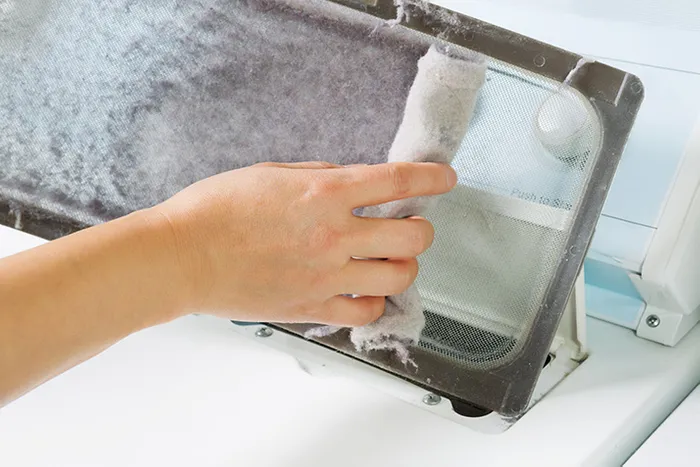
Simple issues like:
- Clogged filters
- Faulty thermostats
- Loose wiring
These are usually inexpensive and quick to fix.
2. The Appliance Is Still Relatively New
If your appliance is under 5 to 7 years old, repairing it is almost always worth it.
3. Replacement Costs Are High
Premium appliances or commercial units can be expensive to replace, so repairing the more practical option.
When It’s Better to Replace Instead
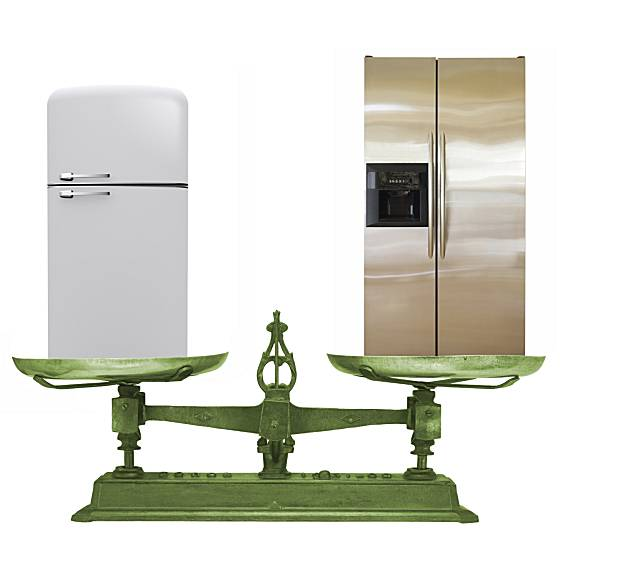
Sometimes, holding on to an old appliance can cost more in the long run.
1. Frequent Breakdowns
If you’ve had multiple repairs in the past year, it’s a sign the appliance is failing.
2. Rising Energy Bills
Older appliances are less energy-efficient. Replacing them can significantly reduce electricity usage.
3. Expensive Major Component Failure
Issues like:
- Compressor failure (fridge)
- Motor damage (washer/dryer)
- Control board malfunction
These are often costly enough to justify replacement.
The Hidden Cost of Keeping Old Appliances
Many homeowners underestimate the ongoing costs of outdated appliances.
Energy Consumption
Older models can use up to 30–50% more energy than newer ones.
Performance Issues
You may notice:
- Longer drying times
- Uneven cooking
- Poor cooling
Safety Risks
Faulty wiring or overheating components can pose risks if left unresolved.
Expert Tips Before Making a Decision
Here are some practical tips professionals recommend:
Get a Professional Diagnosis

Before deciding, have a technician inspect the appliance. It’s best to rely on professional appliance repair services to get an accurate diagnosis and avoid unnecessary costs.
Compare Repair vs Replacement Costs
Always ask:
- How long will the repair last?
- Is there a warranty on parts?
Check for Energy Savings
New appliances may qualify for rebates or reduce monthly bills. Check the energy-efficient appliance guidelines to understand how newer models can help lower your energy consumption and improve efficiency.
A Simple Decision Checklist
If you’re still unsure, use this quick checklist:
- Is the appliance over 10 years old?
- Does the repair cost exceed 50% of replacement?
- Has it broken down multiple times recently?
- Is it increasing your energy bills?
If you answered “yes” to most of these, replacement is likely the better option.
Why Professional Advice Matters
While DIY fixes can help in some cases, a professional technician brings:
- Accurate diagnosis
- Proper tools
- Long-term solutions
Trying to fix complex issues without expertise can sometimes make the problem worse and more expensive.
Final Thoughts: Repair or Replace?

At the end of the day, the decision comes down to cost, age, and reliability.
- Choose repair if the appliance is relatively new and the issue is minor
- Choose a replacement if it’s aging, inefficient, or frequently breaking down
Making the right choice doesn’t just save money; it also saves time, stress, and energy in the long run.
Need Help with Your Appliance?
If you’re unsure whether to repair or replace your appliance, it’s always best to get expert advice.
A quick inspection can give you clarity and help you avoid unnecessary costs.
Common Questions Homeowners Ask
How do I know if my appliance is worth fixing?
If the repair cost is less than half the price of a new unit and the appliance is under 10 years old, it’s usually worth fixing.
Is it cheaper to repair or replace appliances?
It depends on the issue. Minor repairs are cheaper, but major component failures often make replacement the better investment.
How often should appliances be serviced?
Most appliances benefit from annual maintenance to keep them running efficiently and prevent breakdowns.
Do new appliances really save money?
Yes. Modern appliances are more energy-efficient, which can lower your electricity bills over time.
Can I repair appliances myself?
Basic maintenance is fine, but complex repairs should be handled by professionals to avoid safety risks and further damage.