
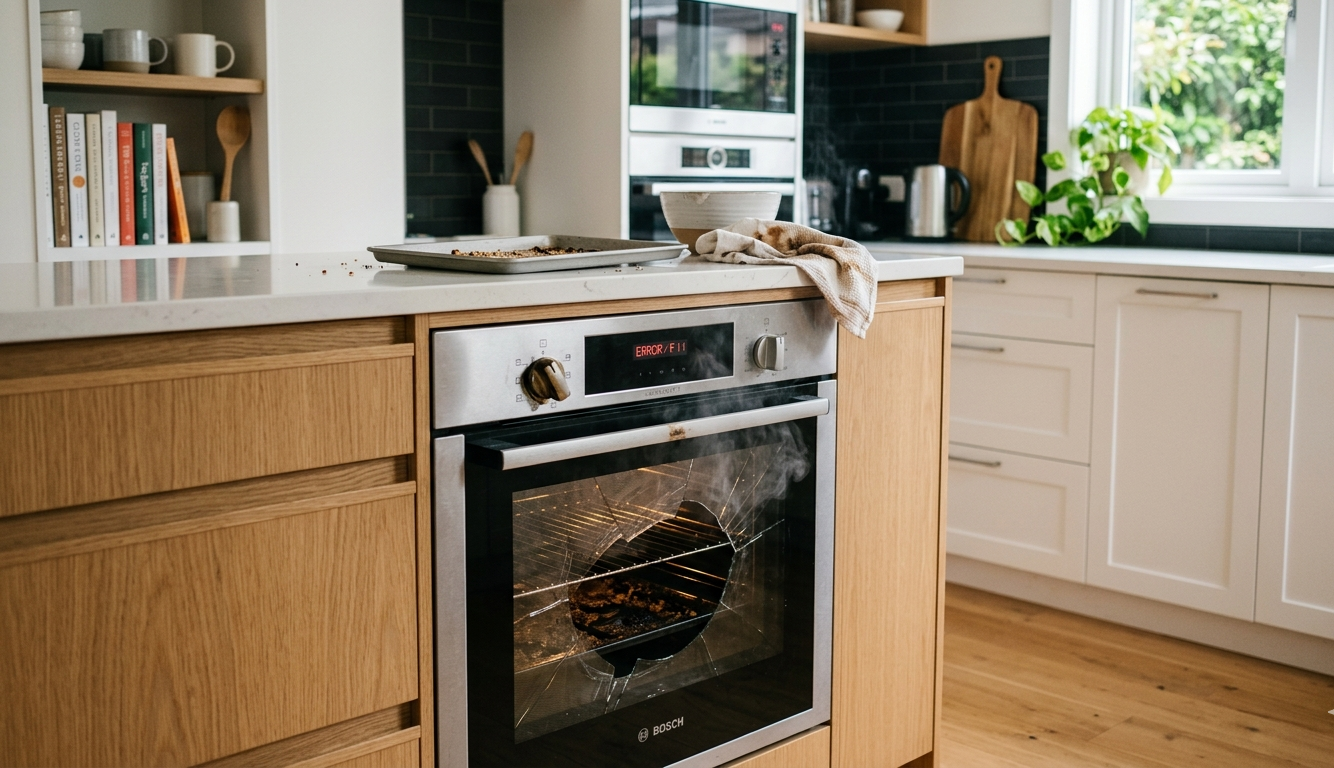
It usually starts small. A fridge that’s not cooling like it used to. A dryer taking two cycles instead of one. Maybe your dishwasher leaves dishes slightly gritty, and you tell yourself it’s not a big deal.
When it comes to faulty appliance safety, these early warning signs are often ignored until they turn into bigger and more serious problems. In many cases, homeowners delay fixing these issues because the appliance is still “working.” But the real question is, is it safe to use a faulty appliance?
If you’re a homeowner in Carmel, this is more common than you’d think. And the answer isn’t always straightforward.
If you’ve been putting off a repair, this guide will help you understand what’s safe, what’s risky, and when it’s time to act. At Indy Appliance Xperts, we help homeowners catch these issues early, before they become bigger and more expensive problems.
Faulty Appliance Safety: When “Still Working” Doesn’t Mean Safe
A faulty appliance doesn’t always stop working completely. Sometimes, it just performs poorly or behaves a little differently.
You might notice:
- Strange noises that weren’t there before
- Longer cycles or inconsistent results
- Slight burning smells or unusual heat
- Small leaks or condensation buildup
Over time, these minor issues can lead to bigger problems. And in some cases, they can become safety risks.
Common Risks of Using a Faulty Appliance
Let’s break it down a bit. Different appliances come with different risks when they’re not working properly.
Understanding faulty appliance safety is important, especially when small issues start affecting performance. What may seem like a minor inconvenience can sometimes point to deeper problems that lead to bigger safety risks if ignored.
1. Fire Hazards
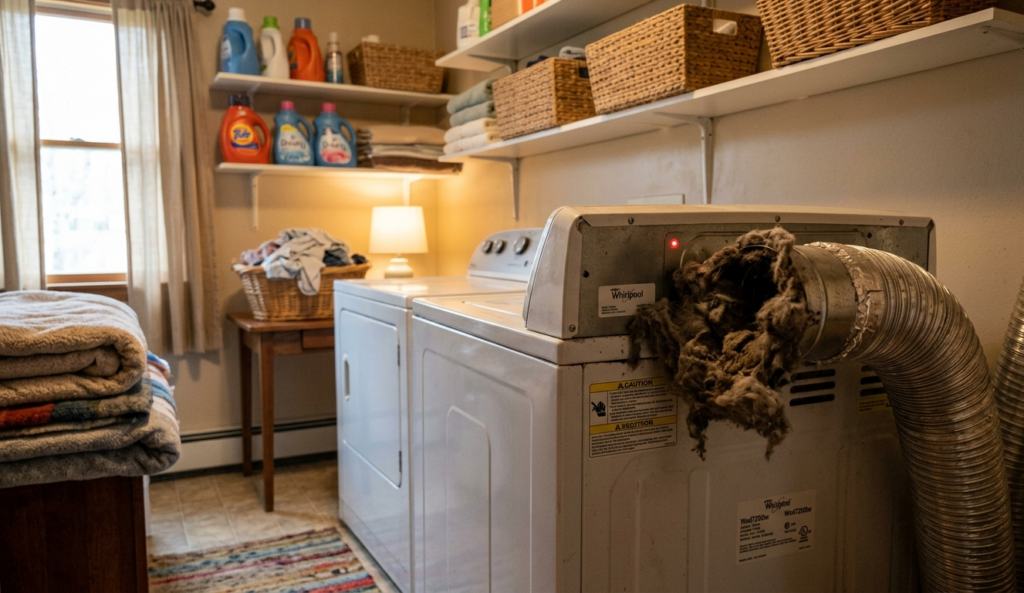
This is one of the biggest concerns, especially with appliances like dryers, ovens, and microwaves.
A dryer might still run even if there’s lint buildup inside. But over time, that buildup can overheat and potentially ignite.
2. Electrical Issues
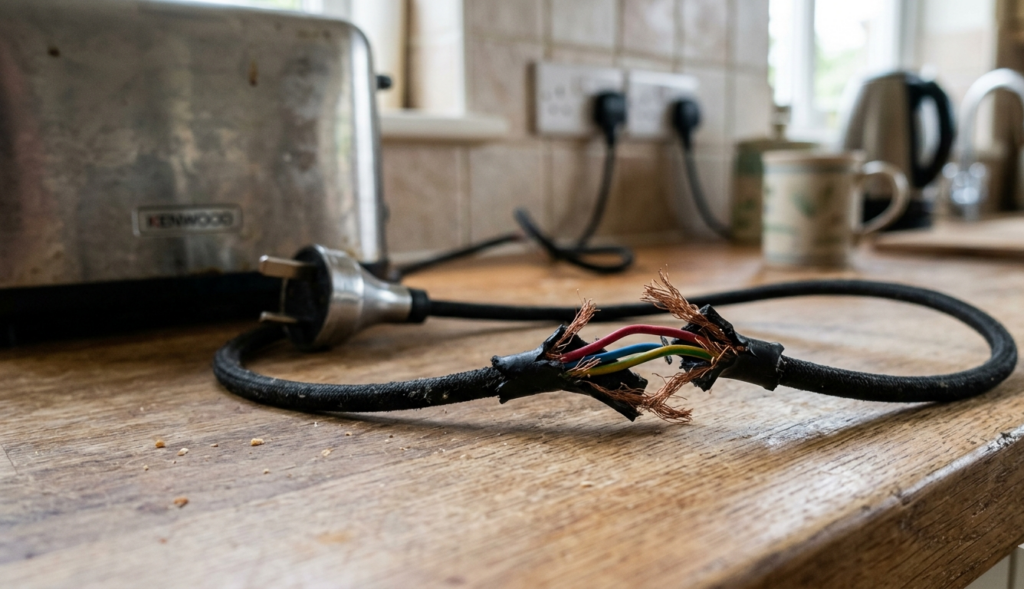
Faulty wiring or damaged components can lead to short circuits or electrical shocks.
You might notice flickering lights or a breaker that trips occasionally. These are warning signs, not just small annoyances.
According to safety guidelines, appliances with damaged cords or internal issues should not be used until they are properly checked.
3. Water Damage
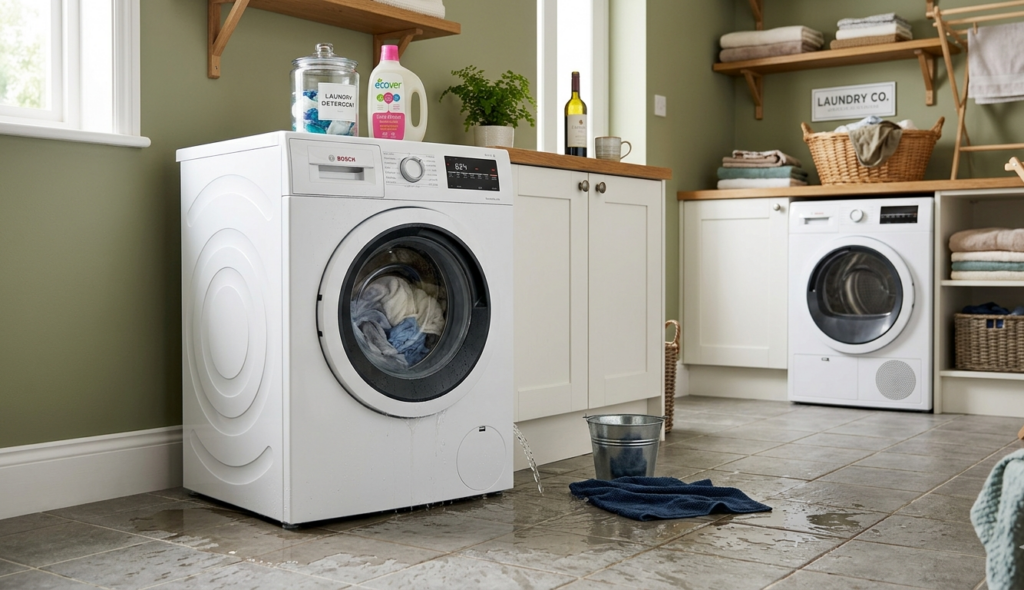
Appliances like washing machines and dishwashers can develop small leaks.
At first, it may not seem serious. But over time, this can lead to mold, floor damage, and costly repairs.
4. Increased Energy Costs
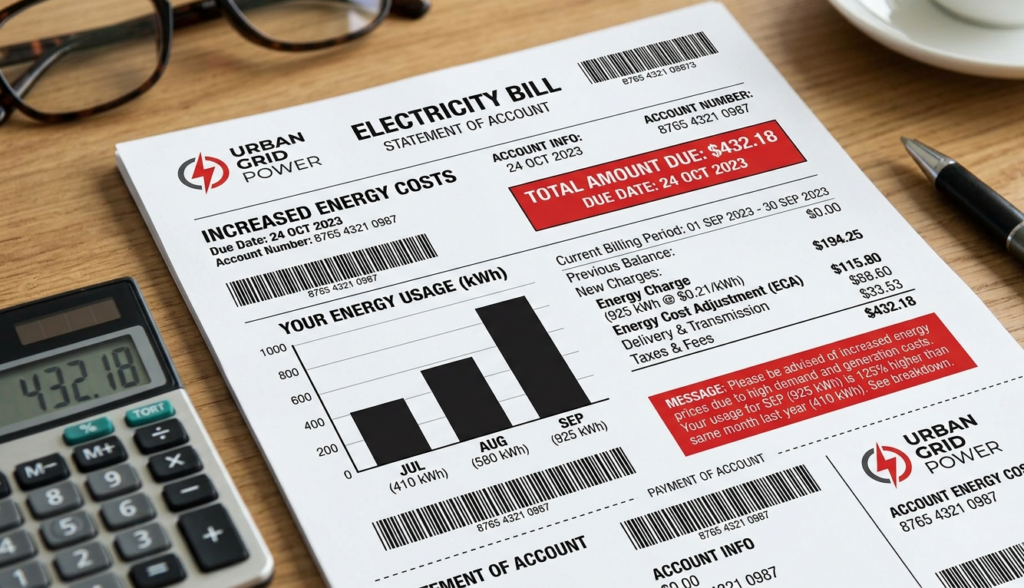
A faulty appliance often works harder to do the same job.
That means longer run times, more energy use, and higher utility bills without you realizing it.
Can You Keep Using It Temporarily?
Short answer: sometimes, but carefully.
It may be okay temporarily if:
- The issue is minor
- There are no burning smells, sparks, or leaks
- The appliance is not overheating
It’s NOT safe if you notice the following:
- Burning smells
- Smoke or sparks
- Loud unusual noises
- Water pooling
- Breaker trips
If any of these happen, stop using the appliance immediately.
Simple Things You Can Try First
Before calling for help, there are a few basic checks you can do.
For refrigerators:
- Clean condenser coils
- Check door seals
For dryers:
- Clean lint filter and vents
For dishwashers:
- Clean the filter
- Check spray arms
For washing machines:
- Inspect hoses
- Avoid overloading
These steps can sometimes improve performance and extend appliance lifespan.
When It’s Time to Call a Professional
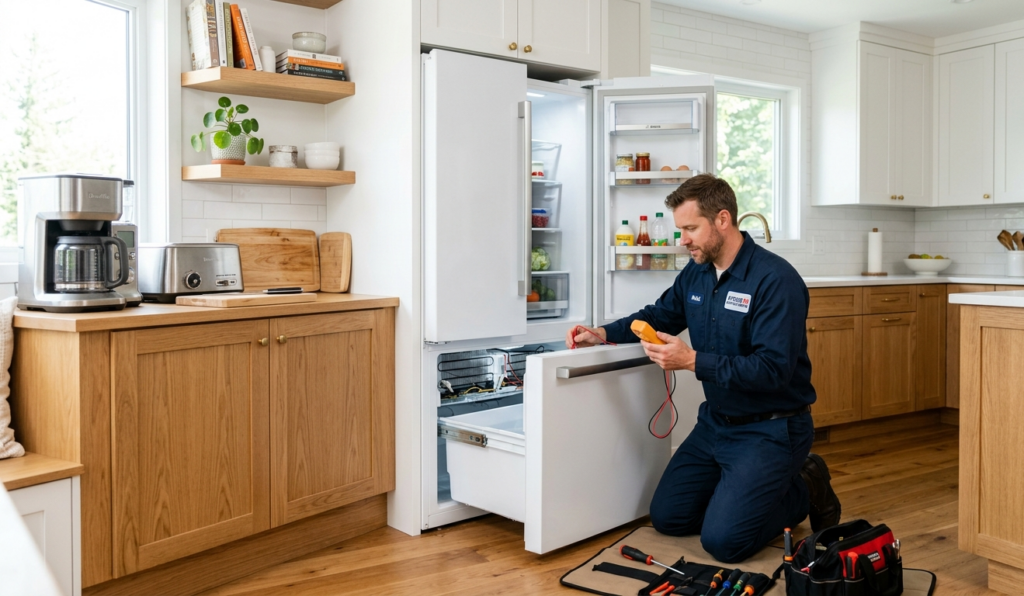
If the issue keeps coming back, it’s likely something deeper.
For example, if your washer is not draining or making unusual noises, it may require proper diagnosis and repair.
Getting professional help can:
- Prevent bigger damage
- Save money long-term
- Restore proper function
We also assist homeowners in nearby areas like Fishers, Westfield, and Noblesville.
Choosing the Right Help Matters
When you do decide to fix the issue, choosing experienced and reliable experts matters.
It’s not just about getting it working again. It’s about making sure it’s safe and efficient.
You can explore the services we offer in Carmel to see how we handle different appliance issues and what support is available.
FAQ: Faulty Appliances
Is it cheaper to repair or replace an appliance?
It depends on the age and issue. Minor repairs are usually worth it. Older units with major issues may be better replaced.
Can a faulty appliance increase energy bills?
Yes. Inefficient appliances often consume more electricity.
How long can I use a faulty appliance?
Only short-term for minor issues. Anything involving heat, electricity, or leaks should be addressed quickly.
What’s the most dangerous appliance issue?
Electrical faults and overheating are among the most serious risks, especially in dryers and ovens.
Final Thoughts
Using a faulty appliance might seem harmless at first. And sometimes, it is, at least for a while.
But over time, small issues can turn into bigger problems. Safety risks, higher costs, and unexpected breakdowns tend to follow.
If something feels off, it’s best not to ignore it.
Keeping faulty appliance safety in mind can help you avoid unnecessary risks, higher energy costs, and unexpected breakdowns. Acting early and addressing issues at the right time can make a big difference in keeping your home safe and your appliances running properly.
If your appliance is no longer working the way it should, it may be time to have it checked. You can get in touch with our team to discuss your situation and next steps.