
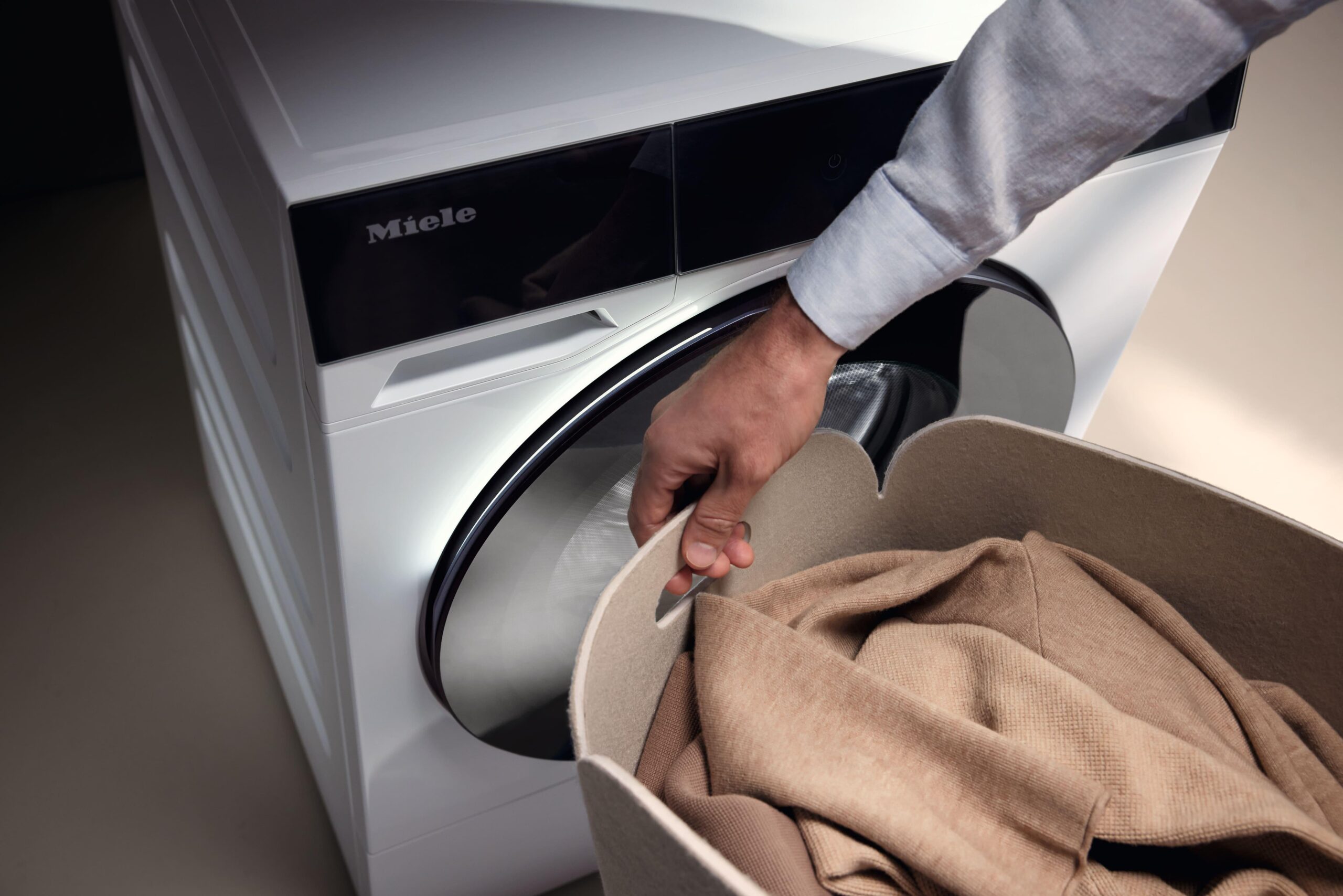
You run a cycle expecting fresh, clean clothes, only to find stains still there or a musty smell that won’t go away. If you’re experiencing poor wash results in your Miele washing machine, it can quickly become frustrating, especially when clothes still look dull, not fully clean, or hold onto odors.
Across homes in Indianapolis, this is more common than you might expect. The issue usually isn’t a major fault right away but rather a combination of small factors that gradually affect how well your washer performs.
The good news is that poor wash results in Miele washing machines are often caused by common issues that are easy to fix. In this guide, we’ll walk through what might be affecting your washer’s performance and what you can do to improve it. If you need help at any point, you can reach out to our professional appliance repair team.
Why You’re Getting Poor Wash Results in Miele Washing Machines
In most cases, the issue is not a single fault but a combination of everyday habits and minor maintenance issues that build up over time. Miele washers are designed for efficiency and precision, but like any appliance, they rely on proper use and regular maintenance.
When something feels off, it’s often because one or more of the following key factors are affected:
- Water flow
- Detergent usage
- Load size and balance
- Internal cleanliness
If even one of these is not quite right, you may start seeing poor wash results in Miele washing machines over time.
We often see similar performance issues in other appliances. For example, buildup and usage habits can affect washers in general, which is something we regularly address in our professional washing machine repair services in Indianapolis.
1. Using Too Much or Too Little Detergent
Detergent plays a bigger role than most people realize. Using too much can leave residue on clothes, while using too little may not clean effectively.
Signs of the problem:
- Clothes feel stiff or soapy
- Residue left on fabrics
- Odors that don’t fully go away
How to fix it:
- Follow the recommended detergent amount
- Adjust based on load size and soil level
- Avoid overfilling the detergent compartment
If you’re unsure how much detergent to use, it can help to understand proper measurements. You can read more in our guide on how much laundry detergent you should actually use.
2. Overloading the Washing Machine
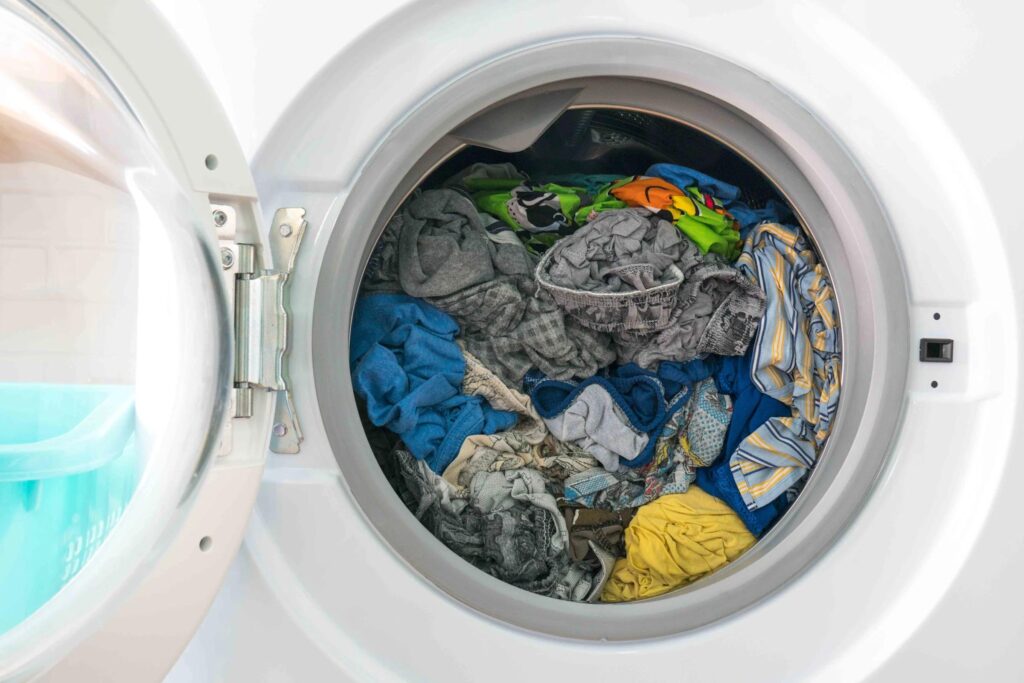
It’s tempting to fit as much laundry as possible into one cycle, but overloading can significantly reduce cleaning effectiveness.
Signs of the problem:
- Clothes come out unevenly cleaned
- Items are still damp or heavy
- The machine struggles to spin properly
How to fix it:
- Leave enough space for clothes to move freely
- Avoid packing the drum too tightly
- Wash bulky items separately when needed
Even high-end machines like Miele need proper space to deliver consistent results.
3. Buildup Inside the Machine
Over time, detergent residue, lint, and mineral deposits can build up inside the washer. This can affect both cleaning performance and overall efficiency.
Signs of the problem:
- Musty smells
- Dull-looking clothes
- Reduced wash performance
How to fix it:
- Run a cleaning cycle regularly
- Use a washer cleaner when needed
- Wipe down seals and compartments
If you’re still seeing poor wash results in Miele washing machines after cleaning, it may be time to look into a deeper issue. In that case, professional washing machine repair services in Indianapolis can help identify the root cause.
4. Incorrect Wash Settings
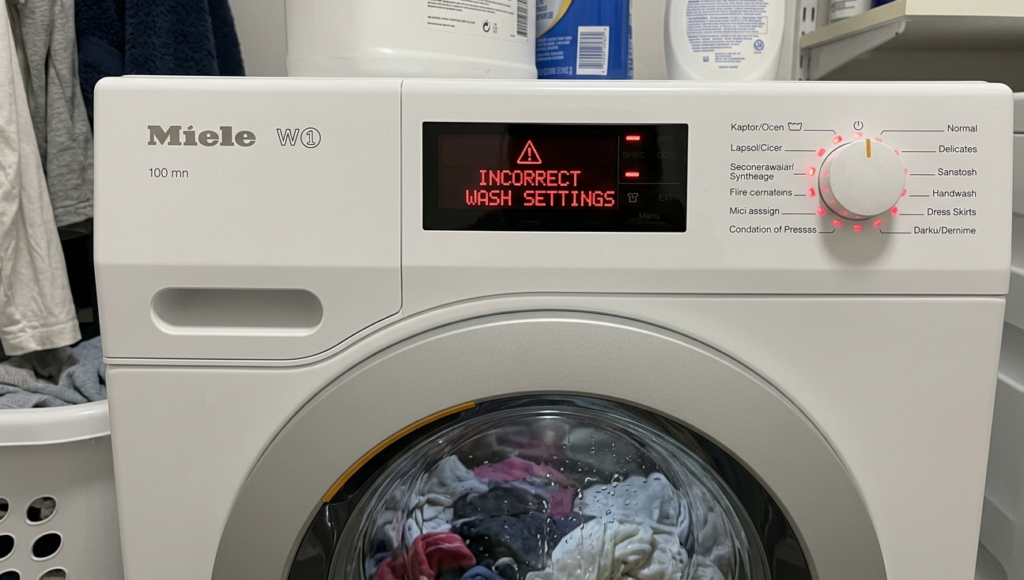
Miele machines offer a range of settings designed for different fabrics and soil levels. Using the wrong setting can impact cleaning results.
Signs of the problem:
- Using a quick cycle for heavily soiled clothes
- Selecting low temperatures for items that need deeper cleaning
- Skipping pre-wash options when needed
How to fix it:
- Match the cycle to the type of load
- Use appropriate temperature settings
- Adjust spin and rinse options when necessary
Small adjustments here can make a noticeable difference.
5. Water Flow or Internal Component Issues
If you’ve addressed all the basic factors and are still experiencing poor wash results in Miele washing machines, the issue may be internal.
Signs of the problem:
- Restricted water flow
- Faulty inlet valve
- Wear and tear on internal parts
These issues aren’t always visible right away and tend to develop over time.
If you’re unsure, Miele provides helpful troubleshooting resources for additional guidance.
At this stage, having a technician take a closer look can help prevent further issues and restore proper performance.
When It’s Time to Get Help
If your washer continues to underperform after trying these steps, it may indicate a deeper issue that requires professional attention.
Many homeowners wait until the problem becomes more noticeable, but addressing it early can help prevent more costly repairs in the long run. If you’re unsure what’s causing the issue, it’s best to have it checked by a professional.
FAQs
Why are my clothes still dirty after washing?
This is often due to detergent issues, overloading, or incorrect settings.
How often should I clean my washing machine?
Running a cleaning cycle once a month is usually enough for regular use.
Can hard water affect wash results?
Yes, mineral buildup from hard water can impact both cleaning performance and detergent effectiveness.
Is it better to repair or replace a Miele washer?
If the issue is minor or the unit is relatively new, repair is typically the better option.
Conclusion
Experiencing poor wash results in Miele washing machines can be frustrating, but in many cases, the solution is simpler than it seems. From adjusting detergent usage to improving loading habits, small changes can go a long way.
If your Miele washer still isn’t performing properly, getting it checked early can help prevent more costly repairs down the line. If you need reliable washing machine repair in Indianapolis, our team is ready to help.
Addressing poor wash results in Miele washing machines early can help extend the life of your appliance and maintain consistent performance.