
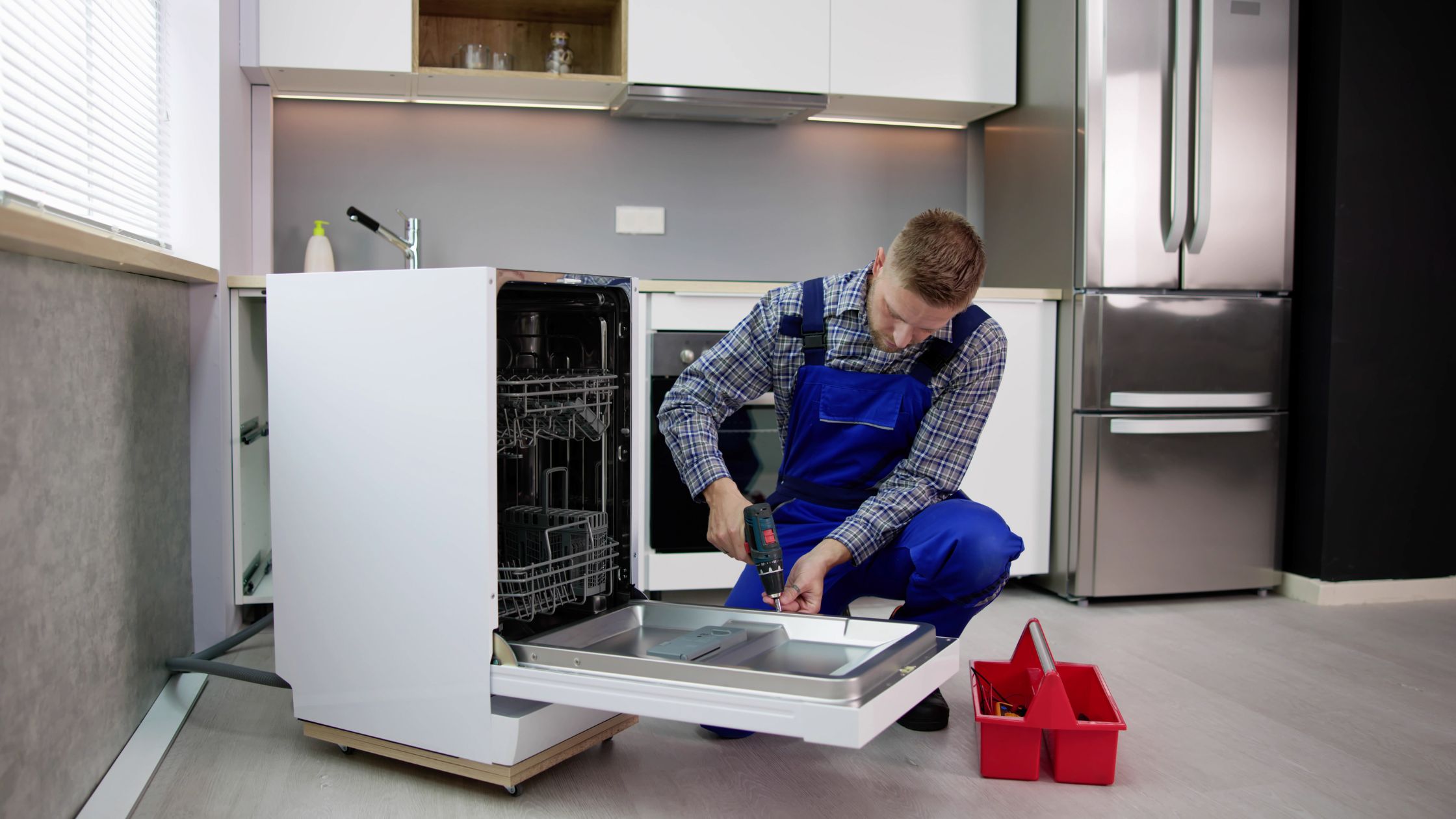
Avoid the Mess; Get Your Dishwasher Draining Like New Again. A dishwasher that won’t drain is more than just an inconvenience. It’s a sign that something’s wrong under the hood – here’s where you need appliance repair experts in Indianapolis. Whether you’re dealing with standing water, strange smells, or just dirty dishes after a wash, acting quickly can save you time, money, and a major kitchen disaster.
Fortunately, you don’t always need to call the pros immediately. Many drainage issues can be fixed with a few simple tools, a little know-how, and regular maintenance to prevent future breakdowns or costly repairs.
Why Your Dishwasher Won’t Drain: 5 Common Reasons?

Before diving into solutions, it helps to understand why dishwashers stop draining. Identifying the exact cause can save you from unnecessary repairs.
- Clogged or Dirty Filter: Dishwasher filters trap food particles, but over time, they get clogged with grease and debris. This blocks water flow, causing standing water in the tub.
- Blocked or Kinked Drain Hose: The drain hose is responsible for carrying wastewater out of the appliance. If it’s bent or blocked by food debris, drainage will be restricted or completely stopped.
- Faulty Drain Pump or Impeller: The pump is responsible for pushing water out of the dishwasher. If it’s jammed or broken, water can’t exit. You might hear humming, buzzing, or nothing at all.
- Garbage Disposal or Air Gap Blockage: If your dishwasher drains through a garbage disposal or air gap, these components can clog. A blocked knockout plug or food buildup can prevent proper drainage.
- Electronic Malfunctions: Smart dishwashers rely on sensors to manage cycles. If a sensor or control board fails, it may not trigger the drain cycle, even if all other components appear to be functioning correctly.
Tip: Regular maintenance prevents most of these issues. For persistent problems, contact appliance repair experts in Indianapolis for professional assistance.
Top 7 Tips to Fix Dishwasher’s Draining Problems!
Our appliance repair experts in Indianapolis have compiled the top 7 troubleshooting tips to help you identify the issue and determine when it’s time to call in a professional.
1. Check for Food Debris in the Filter Area
Clogged filters are among the most common reasons a dishwasher stops draining. Food particles, grease, and grime can easily build up, especially if you skip pre-rinsing dishes.
Steps to follow:
- Open the dishwasher and remove the bottom rack.
- Locate the filter, typically situated under the spray arm.
- Twist and pull the filter out, then rinse it under warm water.
- Use a soft brush to scrub away any buildup.
Pro Tip: Clean your filter at least once a month to prevent recurring drainage issues.
2. Inspect the Garbage Disposal Connection
If your dishwasher is connected to a garbage disposal, a blockage in the disposal could prevent the water from draining correctly. Often, the culprit is a clogged or improperly installed knockout plug.
What to do:
- Turn off the power.
- Look under the sink at the connection between the dishwasher drain hose and the garbage disposal.
- If recently installed, make sure the knockout plug has been removed.
- Use a long brush or pipe cleaner to clear out any debris in the drain port.
Note: Running your garbage disposal regularly helps prevent clogs that affect dishwasher drainage.
3. Straighten or Replace the Drain Hose
The drain hose can get kinked or clogged, especially if the dishwasher was recently moved or reinstalled.
Signs of a hose problem:
- Visible kinks or bends
- Water backing up into the sink
- Standing water left at the bottom of the dishwasher
To fix it:
- Locate the drain hose under the sink or behind the dishwasher.
- Ensure the hose is free of sharp bends.
- If it’s clogged, use a long pipe cleaner or replace the hose entirely.
Contact Emergency Appliance Service in Indianapolis if you need assistance with safely rerouting or replacing the hose.
4. Unclog the Air Gap (If You Have One)
Many dishwashers come with an air gap installed on the sink or countertop to prevent dirty water from flowing back into the dishwasher.
To clean it:
- Remove the air gap cover.
- Use tweezers or a brush to remove any debris or food buildup gently.
- Flush with warm water and vinegar to eliminate residue.
Blocked air gaps are a small but mighty contributor to dishwasher drainage problems.
5. Clean the Drain Pump and Impeller
If the above steps don’t help, the issue might be with the drain pump or impeller, which helps push water out of the appliance.
How to access the pump:
- Disconnect the dishwasher from power.
- Remove the bottom front panel or the lower spray arm inside the dishwasher.
- Locate the pump and inspect for debris, glass shards, or grease.
- Carefully clean the area and rotate the impeller to check for damage or jamming.
Important: This is a delicate part—if unsure, reach out to appliance repair experts in Indianapolis for a professional diagnosis.
6. Run a Vinegar and Baking Soda Cycle
Sometimes, a simple cleaning solution is all it takes. Buildup inside the dishwasher can clog internal components, leading to poor drainage.
Steps:
- Pour 1 cup of baking soda into the bottom of the empty dishwasher.
- Follow with 1 cup of white vinegar.
- Let the mixture sit for 15 minutes.
- Run a hot water cycle.
This natural solution not only clears blockages but also deodorizes your appliance.
7. Listen for Unusual Sounds During Drain Cycle
A healthy dishwasher produces a steady, low humming noise during the draining process. Strange sounds—such as grinding or buzzing—can indicate a malfunctioning drain pump or a worn-out motor.
If you hear:
- Buzzing – could indicate a jammed motor
- Grinding – debris might be stuck in the pump
- Silence – the motor or switch might have failed
In such cases, contact Indy Appliance Xperts immediately. We specialize in commercial appliance repair in Indianapolis, ensuring quick turnarounds with minimum downtime—ideal for both residential and business needs.
When to Call the Pros?
If you’ve tried all the above and your dishwasher still isn’t draining, it’s time to bring in a certified technician. Issues such as a faulty solenoid, a damaged pump, or electrical control board problems are best left to professionals.
At Indy Appliance Xperts, we provide fast, emergency appliance service in Indianapolis so your kitchen can get back to running smoothly.
Conclusion!

Fixing a dishwasher that won’t drain doesn’t always require expensive repairs or full replacements. In many cases, a bit of troubleshooting can get things flowing again. However, when the problem runs deeper, don’t risk further damaging your appliance.
Indy Appliance Xperts offers trusted service for dishwashers, refrigerators, and a wide range of other appliances. Whether it’s a minor issue or an urgent repair, our appliance repair experts in Indianapolis are ready to help on your schedule, with guaranteed results.