
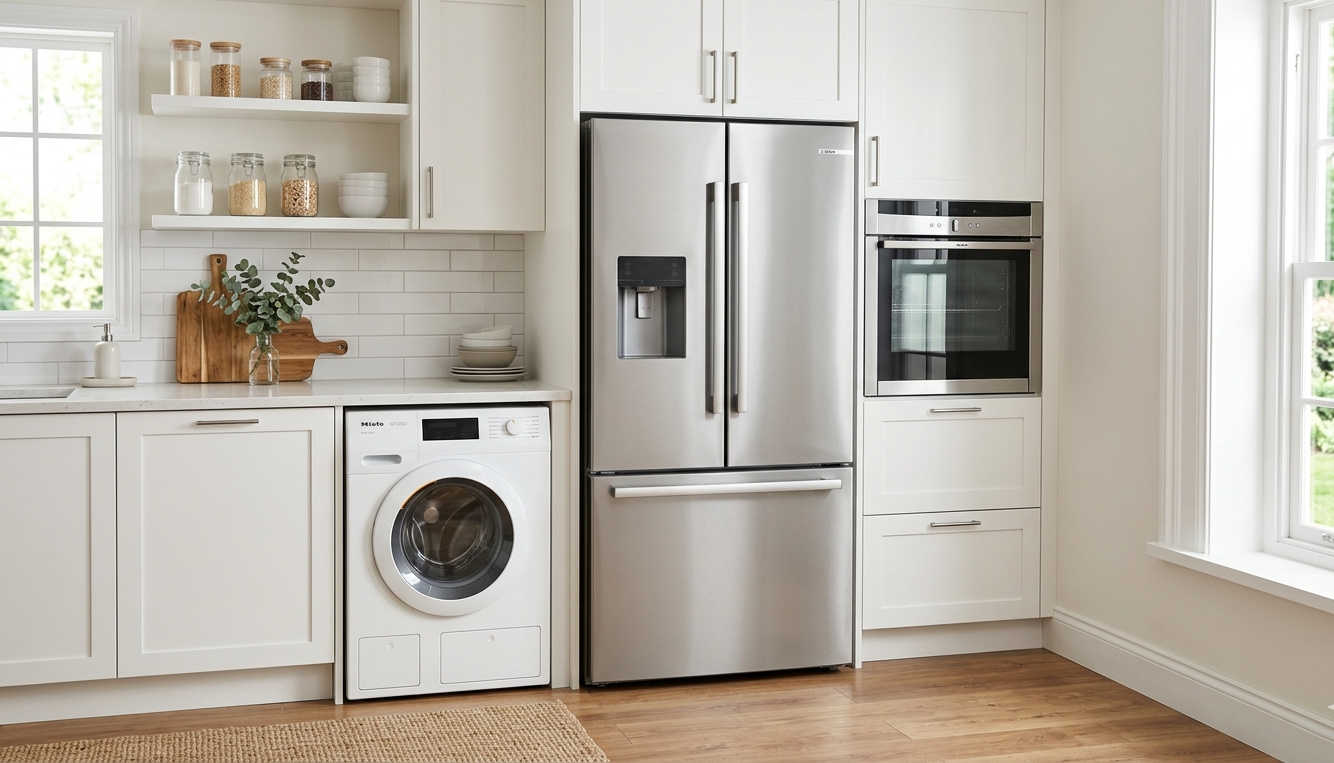
Appliances are a big part of everyday life, but many homeowners don’t realize how much daily habits affect their performance and lifespan.
Small things like overloading, skipping cleaning, or ignoring early signs of wear can gradually lead to bigger issues. Over time, these habits can reduce efficiency, increase energy use, and result in costly repairs.
The good news is that simple daily routines can help extend appliance lifespan and keep everything running smoothly.
At Indy Appliance Xperts, we help homeowners in Indianapolis and nearby areas take better care of their appliances and catch small issues before they turn into more expensive problems.
1. Avoid Overloading Your Appliances
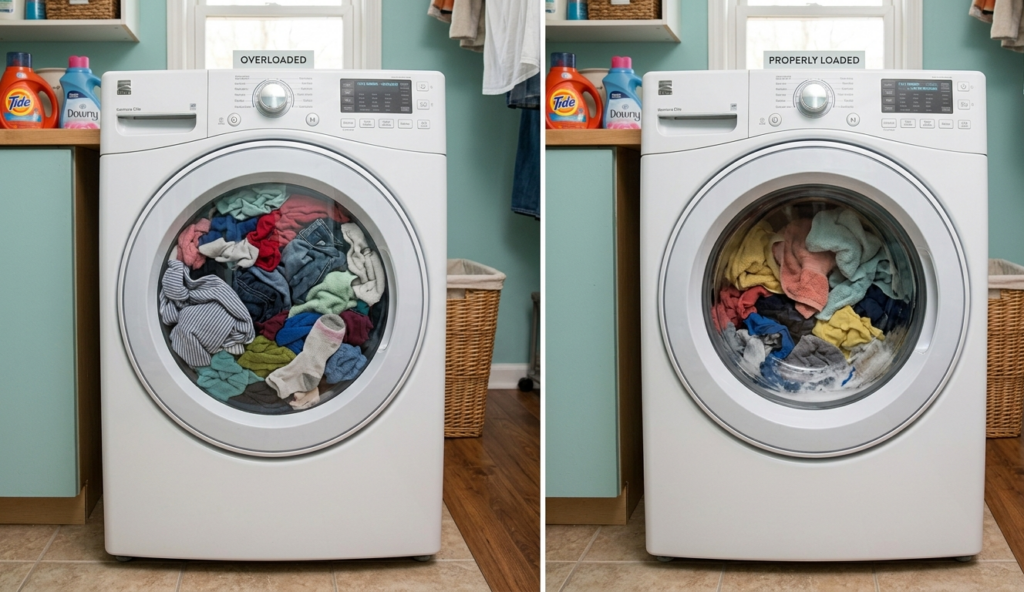
Overloading is one of the most common causes of appliance wear.
Whether it’s a washing machine, dryer, or dishwasher, putting too much load inside can strain internal components and reduce efficiency.
Keeping loads within recommended limits helps:
- Improve performance
- Reduce wear and tear
- Prevent long-term damage
When appliances are consistently overloaded, motors and internal parts have to work harder than they should. Over time, this added strain can lead to breakdowns or reduced performance. If you’re noticing your appliance struggling to complete cycles properly, it may already be a sign that it’s under too much stress.
2. Clean Appliances Regularly
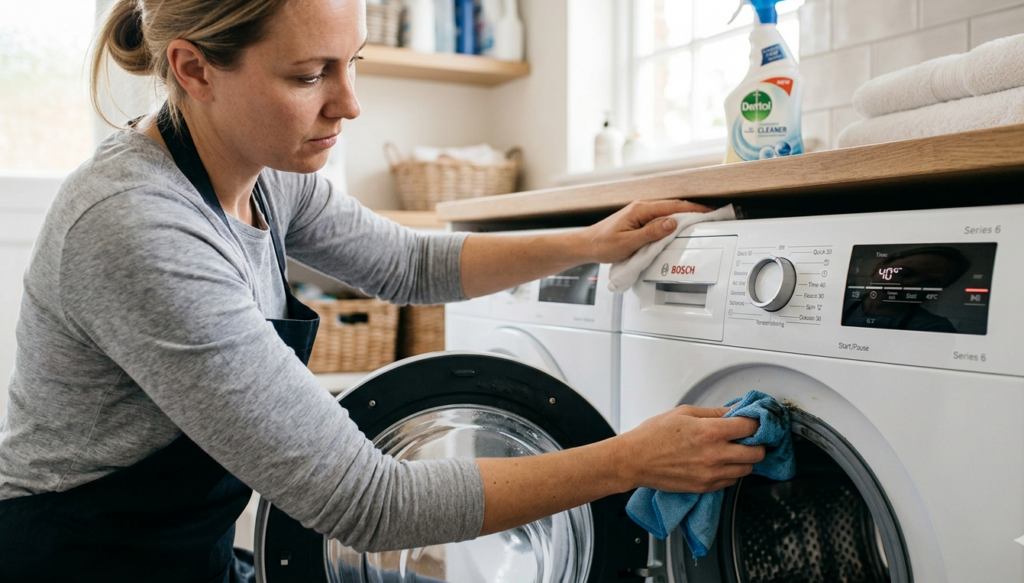
Daily or frequent cleaning helps prevent buildup that can affect performance.
This includes:
- Wiping down seals and surfaces
- Cleaning filters
- Removing lint or debris
For example, buildup in washers can lead to issues similar to hard water buildup in your washer if not addressed early.
Simple cleaning habits help keep your appliances running efficiently and can prevent odors, clogs, and reduced performance. Even a few minutes of regular upkeep can make a noticeable difference over time.
3. Use the Right Settings and Products
Using the correct settings and products matters more than most people think.
For example:
- Using too much detergent can affect the washer’s performance
- Incorrect heat settings can strain dryers
- Wrong cycles can impact cleaning results
Proper usage helps maintain efficiency and prevent unnecessary stress on components.
It’s easy to assume that more detergent or higher heat will improve results, but this can actually have the opposite effect. Following manufacturer recommendations helps protect your appliance and ensures it performs the way it was designed to.
4. Pay Attention to Early Warning Signs

Small changes in performance are often early signs of bigger problems.
You might notice:
- Unusual noises
- Longer cycles
- Reduced performance
For example, a refrigerator making noise may seem minor at first, but can point to underlying issues if ignored.
Catching these signs early can help you avoid more expensive repairs later. In many cases, appliances give subtle warnings before something fails, so paying attention can save both time and money.
5. Keep Proper Airflow Around Appliances
Airflow is essential for appliances to function properly.
Blocked vents or tight spaces can cause:
- Overheating
- Increased energy use
- Faster wear
For refrigerators, proper ventilation is especially important, as explained in this refrigerator maintenance guide.
Making sure your appliances have enough space around them allows heat to dissipate properly. When airflow is restricted, components may overheat, which can shorten the lifespan of the appliance.
6. Don’t Ignore Minor Issues
Small issues rarely fix themselves.
A minor leak, unusual sound, or performance drop can turn into a bigger problem if left unchecked. For example, a washing machine leaking water may start small but can lead to damage over time.
If you’re unsure whether it’s still safe to use an appliance, you can read more about safe to use a faulty appliance.
Addressing small problems early is one of the most effective ways to prevent major repairs. If something doesn’t seem right, it’s usually worth checking sooner rather than later to avoid further damage.
7. Follow a Simple Maintenance Routine
Daily habits work best when combined with regular maintenance.
Simple routines can help prevent common issues and extend appliance lifespan. You can follow a seasonal appliance maintenance checklist to stay consistent.
You can also explore additional care tips in this washing machine care guide.
Building a simple routine makes maintenance easier to manage and helps ensure nothing gets overlooked. Over time, these small efforts can significantly improve appliance performance and longevity.
When It Makes Sense to Get Professional Help
Even with good habits, some problems require proper inspection.
You may want to consider professional help if:
- Performance continues to decline
- The appliance makes unusual sounds
- You notice leaks or irregular behavior
At this point, having the appliance checked can help prevent further damage.
If your appliance is older, you may also want to consider whether it’s better to repair or replace old appliances.
What People Usually Ask
How often should I maintain my appliances?
Regular maintenance depends on the type of appliance, but daily habits play a big role in keeping everything running smoothly. Simple actions like cleaning filters, avoiding overloading, and checking for unusual behavior can prevent many common issues before they develop.
In addition to daily care, doing a more thorough check every few months helps maintain efficiency and catch early signs of wear. Staying consistent with both daily and periodic maintenance can significantly extend the lifespan of your appliances and reduce the chances of unexpected breakdowns.
Do daily habits really make a difference in appliance lifespan?
Yes, they do. Many appliance problems develop gradually due to repeated strain or neglect rather than sudden failure. Small habits like proper loading, regular cleaning, and using the right settings can reduce stress on internal components.
Over time, these small actions add up and help appliances run more efficiently and last longer. Consistent care also helps you notice early warning signs, making it easier to address issues before they turn into costly repairs.
What is the most common mistake homeowners make?
Overloading appliances and ignoring early warning signs are two of the most common mistakes. These habits put unnecessary stress on components and can lead to faster wear and tear.
Another common issue is assuming that small problems will go away on their own. In reality, minor issues often get worse over time. Paying attention to how your appliance performs and addressing changes early can help prevent bigger and more expensive problems later.
Can maintenance really prevent repairs?
While not all repairs can be avoided, regular care can significantly reduce the likelihood of major issues. Preventive habits like cleaning, proper usage, and routine checks help keep appliances in better condition and reduce strain on key components.
Maintenance also allows you to catch small issues early, which are usually easier and less expensive to address. Over time, this can help you avoid more serious damage and extend the overall lifespan of your appliances.
When should I call a professional instead of fixing it myself?
If the issue involves internal components, electrical problems, or persistent performance issues, it’s best to have it checked by a professional. Attempting complex repairs without proper knowledge can sometimes make the problem worse or lead to safety risks.
If basic troubleshooting doesn’t resolve the issue, or if the problem keeps coming back, it’s usually a sign that a deeper inspection is needed. Getting professional help early can save time, prevent further damage, and ensure the appliance is properly diagnosed.
What to Remember
Daily habits play a bigger role in appliance lifespan than most people realize.
Simple actions like proper usage, regular cleaning, and paying attention to early warning signs can help prevent unnecessary repairs and keep your appliances running efficiently.
When problems continue, or you’re unsure what to do next, having your appliance checked can help avoid more costly issues in the future.
If you’d like help checking or maintaining your appliances, you can speak with our experienced team to discuss your situation and next steps.